

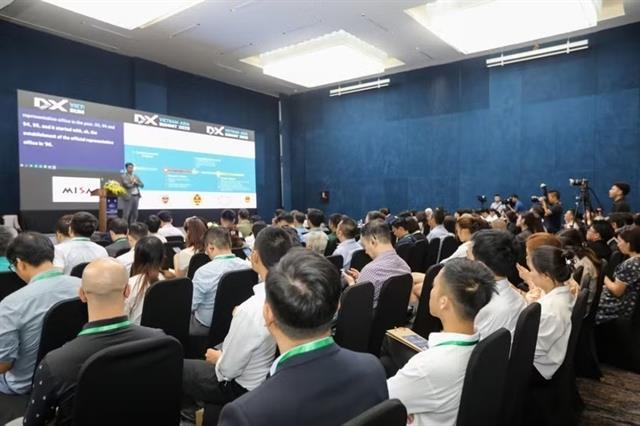
In the late 1970s and early 1980s, the Ministry of National Defence’s Z181 Factory produced Việt Nam’s first semiconductor components, diodes and transistors for domestic use and export to Eastern Europe. The industry has advanced remarkably since.
Việt Nam’s semiconductor industry offers the country an opportunity to shift from a growth model heavily reliant on low-cost labour and manufacturing toward more technology-intensive, higher value-added sectors, according to Nikkei Asia.
To prepare for a new generation of FDI attraction in line with Resolution No. 10-NQ/TW on the development of the foreign-invested sector, the city is expanding its high-tech development space.
The plan also calls for the construction of at least five large-scale, internationally certified and green data centres to support the country''s ambition to become a regional data hub.
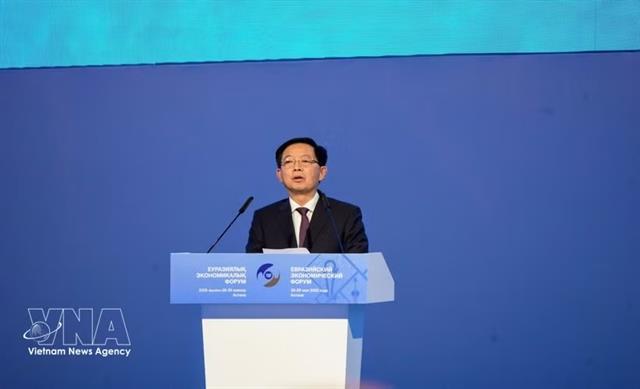
Deputy PM Hồ Quốc Dũng suggested Việt Nam and the EAEU establish a policy dialogue forum on the responsible use of AI, data protection standards and cybersecurity.
Under Decision No. 2555/QĐ-BKHCN issued this week, the Ministry of Science and Technology has approved the Programme for Excellence in Basic Research (PEBR) for the 2026-2035 period, with investment focusing on the core technologies.
According to experts and technology enterprises, developing digital infrastructure, effectively leveraging data, and accelerating AI application will be decisive factors in achieving the double-digit growth target.
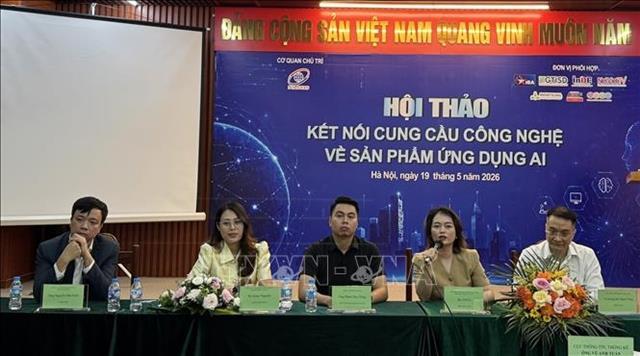
Many businesses are seeking to adopt AI but still face difficulties in ing suitable solutions, mobilising implementation resources and evaluating investment efficiency.
Ngọc praised Sri Lanka’s orientations in developing seaport infrastructure, digital infrastructure, digital economy and international service centres, describing them as valuable references for Việt Nam in developing strategic infrastructure, innovation centres, smart urban areas and digital economy ecosystems.
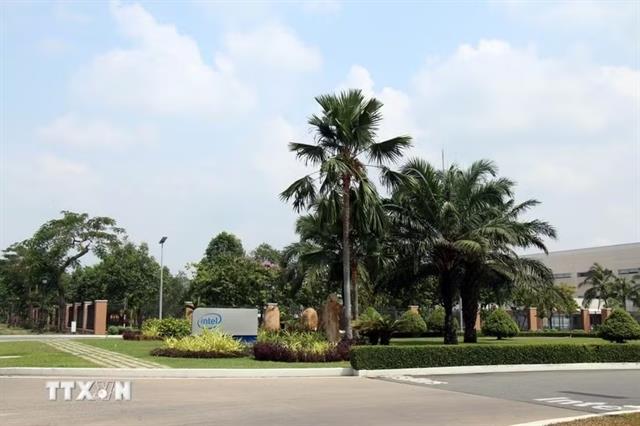
Intel is relocating part of its semiconductor production lines from Costa Rica to its facility in HCM City-based Saigon High-Tech Park, signalling a deeper commitment to Việt Nam as a primary strategic pillar in its global manufacturing network.
Ministries and local authorities have begun rolling out action plans and innovation roadmaps through 2030 and 2035, while funding for science and technology has increased to tens of trillions of đồng.
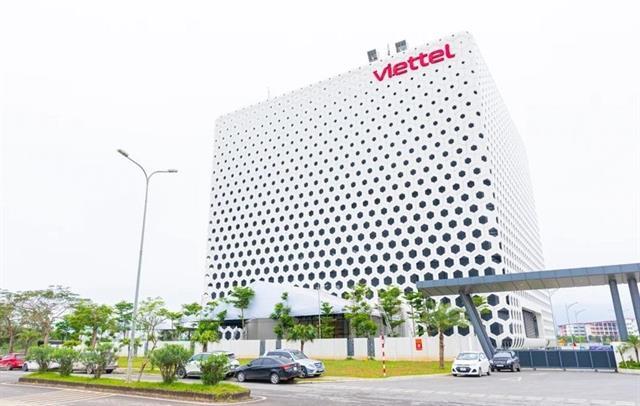
Vietnamese companies have also gradually joined the global value chain by improving their capabilities in chip design, production and related services. Notably, a semiconductor chip manufacturing plant project developed by the Viettel Military Industry and Telecoms Group (Viettel) has already...